
Corsica isn’t just appealing for its idyllic beaches and turquoise waters. The “Island of Beauty” also attracts mountain lovers and outdoor enthusiasts thanks to its spectacular terrain, steep cliffs, and wild valleys. Among the most sought-after experiences, via ferrata has become a must-try for thrill-seekers and adventure lovers seeking experiences in the great outdoors.
Somewhere between a challenging hike and safe rock climbing, the via ferrata allows you to traverse rock faces equipped with cables, suspension walkways, Nepalese bridges, and sometimes zip lines, all while enjoying exceptional panoramic views. Suitable for both beginners and experienced athletes, this activity is an excellent way to discover Corsica’s landscapes from a completely different perspective.
From the Bavella Needles to the wild Chisa Gorges, Corsica is full of impressive spots suitable for all skill levels. Here are the best places for via ferrata in Corsica.
The Best Via Ferrata Routes in Corsica
The Chisa Via Ferrata: A Spectacular Adventure in the Corsican Gorges
Located in the village of Chisa, between Solenzara and the mountains of eastern Corsica, this via ferrata is one of the island’s most famous. Nestled in the heart of rugged gorges through which a crystal-clear river flows, this route appeals to beginners and thrill-seekers alike.
The Chisa via ferrata features several aerial challenges, including suspension bridges, rope bridges, rock crossings, and zip lines, all offering spectacular views of the surrounding landscape. The natural scenery—a blend of granite cliffs, Mediterranean vegetation, and waterfalls—makes this experience particularly immersive.
With its various difficulty levels, this site is perfectly suited for beginners while also offering more technical sections for experienced climbers.
The Bavella Needles: A Mythical Landscape Between Mountains and Forests
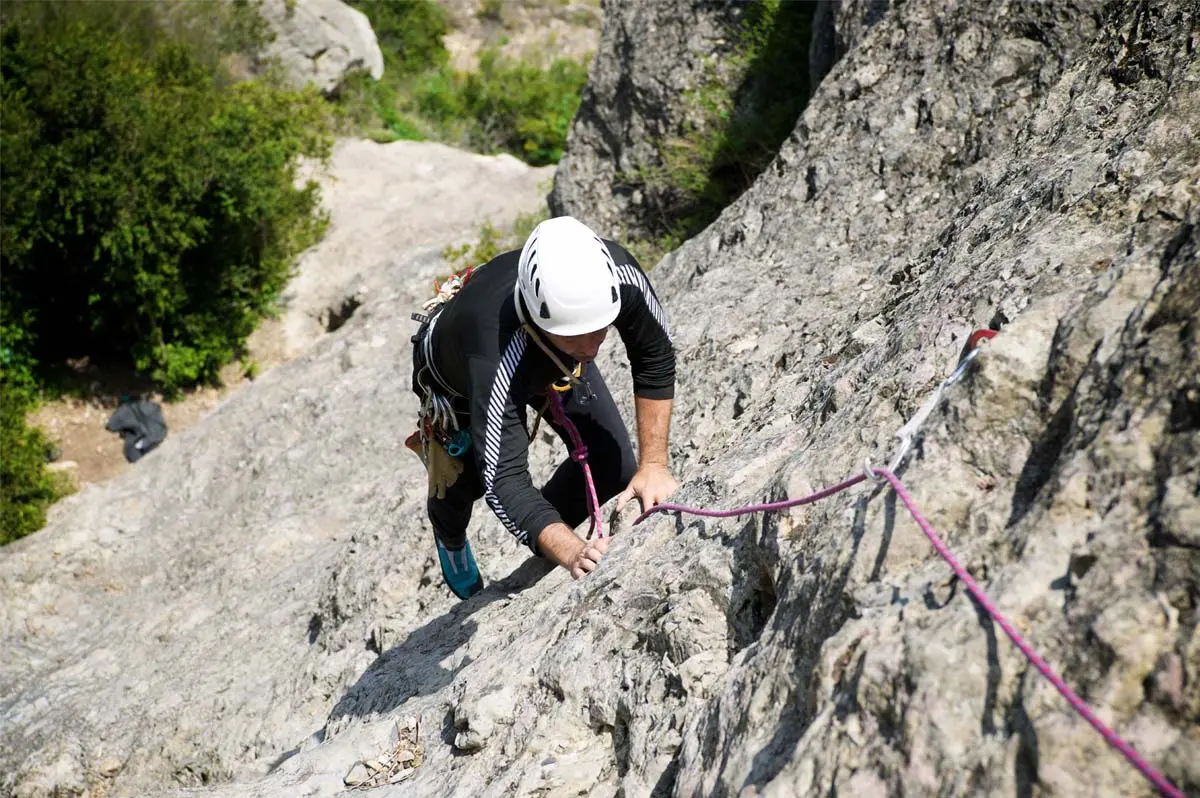
The Bavella Peaks are one of the most iconic sites in Southern Corsica. Towering over Laricio pine forests and wild valleys, this spectacular mountain range is home to several via ferrata routes renowned for their exceptional panoramic views.
Participants navigate impressive rock faces with high-altitude sections offering incredible views of the Corsican mountains. Some sections feature suspension bridges and dizzying crossings that are particularly popular with adventure seekers.
This region also attracts many hiking enthusiasts hiking in Corsica thanks to its legendary trails crossing the Bavella Massif.
The Tolla Via Ferrata near Ajaccio
Located near Ajaccio, the Tolla via ferrata is an excellent choice for beginners looking to try this activity in a spectacular yet accessible setting. Overlooking Lake Tolla, the route combines rocky sections, suspension bridges, and relatively gradual aerial sections.
The panoramic views of the Corsican mountains and surrounding valleys create a particularly immersive atmosphere. This via ferrata is ideal for those looking for a sporting activity that combines adventure with exploring Corsica’s natural landscapes.
These trails are perfect for families with teenagers who are used to activities to do during a trip to Corsica.
The Asco Valley: An Immersion in the Heart of Upper Corsica
In Haute-Corse, the Asco Valley attracts outdoor sports enthusiasts with its impressive mountain terrain and untamed landscapes. The via ferrata routes in the region allow visitors to explore rocky cliffs, mountain streams, and unspoiled forests.
This destination is particularly appealing to those seeking an authentic immersion in the Corsican mountains, far from the tourist areas along the coast. Some routes include sections suitable for beginners, while others feature more technical sections reserved for experienced hikers.
The exceptional natural setting makes the Asco Valley one of the most beautiful via ferrata spots in Upper Corsica.
The Ospedale Mountain Range near Porto-Vecchio
Located near Porto-Vecchio, the Ospedale Massif is an ideal destination for combining outdoor activities with exploring Corsica’s landscapes. This mountainous region, dominated by a vast pine forest, offers several high-rope courses that allow visitors to enjoy spectacular views of southern Corsica and the Mediterranean.
The trails alternate between rocky sections, suspension bridges, and scenic crossings accessible at various levels. The proximity to Porto-Vecchio also makes it possible to enjoy the coastal beaches after a day of adventure in the mountains.
This combination of sea, forest, and rocky terrain makes the experience particularly popular among travelers seeking a variety of activities during their stay in Corsica.
Why are via ferrata routes so popular in Corsica?
An activity that’s a cross between hiking and rock climbing
A via ferrata allows you to experience the thrill of rock climbing without needing advanced technical skills. Thanks to the metal fixtures installed on the rock faces, climbers can make their way safely through spectacular natural settings.
This activity appeals to both mountain lovers and thrill-seekers looking to explore Corsica’s terrain in a different way.
Spectacular landscapes accessible to everyone
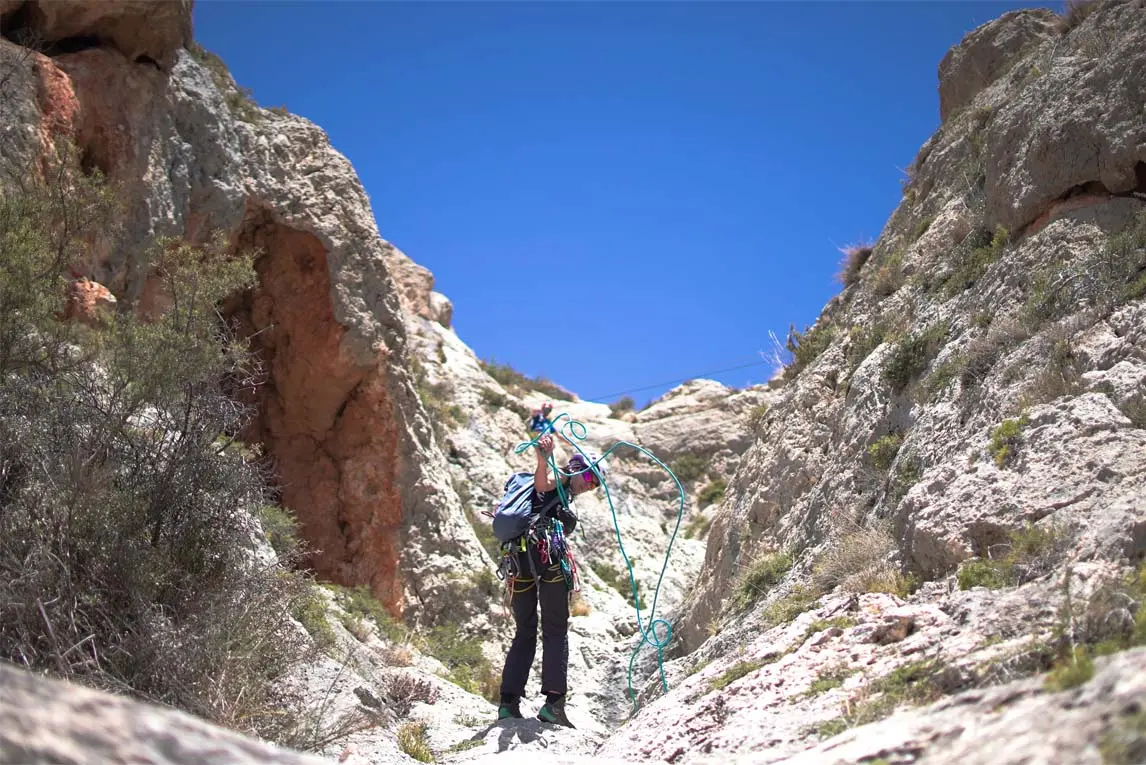
One of the great advantages of via ferrata in Corsica is the variety of routes available. Some routes are suitable for beginners, while others are more technically challenging and suited for experienced climbers.
Hikers can thus enjoy exceptional views of the Corsican valleys, pine forests, granite cliffs, and sometimes even the Mediterranean Sea.
Tips for Successfully Completing Your First Via Ferrata in Corsica
Choosing the Right Equipment
Climbing a via ferrata requires specific equipment, including a helmet, a harness, lanyards with energy absorbers, and footwear suitable for mountain use. For your first time, it is recommended that you rent certified equipment from a professional.
Being accompanied by a certified guide also allows you to learn essential techniques for moving through the terrain and staying safe.

Focus on the right times
Spring and fall are the best seasons for via ferrata in Corsica. Temperatures remain pleasant, and conditions are more comfortable than in the height of summer.
During the summer months, it’s best to avoid the hottest parts of the day and to bring plenty of water and appropriate sunscreen.
Explore Corsica: A Blend of Adventure and Spectacular Landscapes
Hiking a via ferrata in Corsica offers a unique experience that combines mountains, nature, and thrills. From the wild Chisa Gorges to the legendary landscapes of Bavella, through the valleys of Haute-Corse and the mountains near Porto-Vecchio, each route reveals a spectacular facet of the “Island of Beauty.”
Suitable for beginners thanks to several progressively challenging routes, this outdoor activity appeals to both adventure seekers and lovers of the great outdoors. Today, via ferrata has established itself as one of the best ways to experience Corsica’s landscapes in a different way.
FAQ
Is via ferrata in Corsica suitable for beginners?
Yes, several courses in Corsica are specifically designed for beginners, with accessible, less technically demanding sections. Safety equipment allows participants to gradually learn the activity in a safe environment.
What equipment do you need to do a via ferrata?
This activity requires a helmet, a harness, lanyards with energy absorbers, and footwear suitable for mountain use. It is recommended that you rent certified equipment from a specialized center.
When is the best time to go via ferrata climbing in Corsica?
Spring and fall remain the best seasons, thanks to pleasant temperatures and ideal conditions for mountain activities. In the summer, it’s best to set out early in the morning.
Can families go via ferrata in Corsica?
Some accessible via ferrata routes are suitable for families with teenagers who are accustomed to sports activities. However, the route chosen must be appropriate for the participants’ skill level.
What is the difference between rock climbing and via ferrata?
Rock climbing relies primarily on natural holds in the rock and requires specific techniques. Via ferrata uses metal equipment installed on the rock face to make climbing easier and safer.