Book your stay
Home > Camping > Activities > Hiking
 Our hikes in Corsica
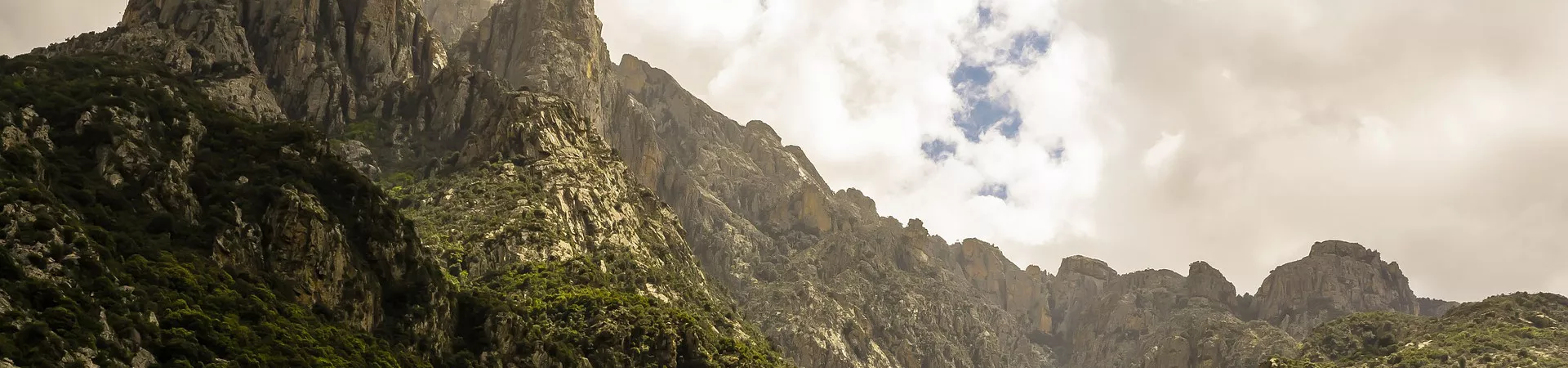
Discover Corsica, a mountain in the sea with its highest point at 2710m above sea level. Dream place for hikers, you will find landscapes and a breathtaking view. Several types of hikes are proposed below. Courses for the day or half-day. All our hikes are supervised by professional guides.
Find all the hikes on our partner's website https://www.walkingcorsica.com/.
Hiking around the Camping Merendella
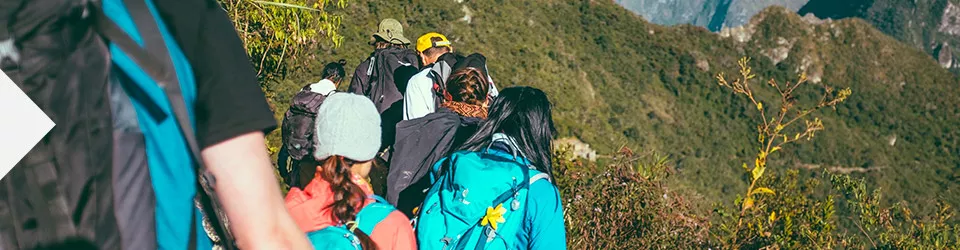
Hiking trips designed especially for groups !
 FAQ : Everything you need to know about hiking in Haute-Corse
Haute-Corse is characterised by rugged terrain. It is home to the island's highest point, offering a vertical playground unique in the Mediterranean. In 2026, the region has strengthened its network of trails, making areas once reserved for experts more accessible.
Choosing this destination means offering yourself the chance to discover preserved ecosystems, from laricio pine forests to high-altitude pozzines. Hiking here is not just a sport; it is an immersion in a pastoral culture that is still very much alive.
Hiking in northern Corsica also allows you to vary your pleasures. In the morning, you can climb a granite summit and in the afternoon, reach an isolated cove to cool off. This duality between sea and mountain is the very DNA of Haute-Corse.
For your next accommodation, choosing an establishment situated on the coast will allow you to easily explore the various mountain ranges, while enjoying the services of a modern Haute-Corse campsite.
Corte, the historic capital situated in the centre of Corsica, is the natural starting point for exploring the most spectacular gorges on the island. The Restonica valley remains, in 2026, one of the most visited sites for its mountain rivers and glacial lakes.
The ascent to the Lac de Melo, then the Lac de Capitello, is one of the most beautiful experiences you can have in Corsica. The path, though rocky, is perfectly marked and offers breathtaking views of the granite walls.
Around Corte, other less-frequented routes are worth the detour, such as the Tavignano trail. This old mule track winds into a wild valley where silence is broken only by the roar of the water.
It is the ideal place for a picnic break beside a natural rock pool. These walks help you understand the strategic importance of Corte and admire its citadel from a different angle, while enjoying the cool mountain streams.
The Lac de Nino, the second largest lake in Corsica, is famous for its pozzines — grassy meadows dotted with water holes that resemble natural sponges. To reach Nino, the start is generally from the Popaghja forestry house in the Valdu Niellu.
It is a hike that requires good physical fitness, as the elevation gain is sustained, but arriving on the plateau is an absolute reward. You will often encounter horses and wild cattle roaming freely.
This hike in Haute-Corse is a total immersion in the high mountains. The site, protected by the regional natural park, is a sanctuary of biodiversity. It is advisable to set off early in the morning to enjoy the raking light on the pozzines and avoid the afternoon heat. It is an unmissable stage of the GR 20, but it is perfectly achievable as a day trip for a regular walker.
The GR20 is often described as the most difficult trail in Europe, and its northern section, located entirely in Haute-Corse, is the most alpine. From Haut Asco to Vizzavona, the route chains together rocky gaps and slabs. In 2026, safety has been improved on the trickiest sections, but the adventure remains entirely intact. Traversing these high-altitude landscapes requires serious preparation and quality equipment.
For the hiker who does not wish to commit to the full 15-day crossing, it is possible to do day-long stages. For example, the Vizzavona area allows easy access to the famous Cascades des Anglais. It is a pleasant short hike that gives a taste of the GR20 atmosphere without the extreme difficulty of the central stages. You will meet walkers from around the world, creating an international and supportive atmosphere.
Cap Corse, this "island within an island", offers one of the finest coastal hikes: the customs officers' trail. Starting from Macinaggio to reach Centuri, this path follows the jagged coastline, passing by proud Genoese towers standing tall above the sea. It is the ideal place to discover typical Mediterranean landscapes, between fragrant maquis and slate cliffs. Every bend reveals a new cove with translucent waters.
This hike is accessible to all and presents no significant elevation gain. You will admire Genoese remnants and wild beaches unreachable by car. It is a lovely hike for the whole family, with several possible swimming spots along the route. The contrast between the deep blue of the sea and the green of the maquis is striking, especially in spring when the flowers are in full bloom.
Monte Cinto, at 2,706 metres, is the highest point on the island. Its ascent is reserved for experienced walkers with good physical fitness. The classic starting point is the Haut Asco resort.
The terrain is mineral, chaotic, and sometimes requires using your hands on the rock. Reaching the summit is a powerful moment of any stay in the Corsican highlands, offering, in clear weather, a view that extends as far as the French Alps and Italy.
This hike is a technical and physical challenge. In 2026, waymarking has been reinforced to limit route errors on the summit scree. The descent is just as demanding on the knees as the ascent, but the pride of having climbed the "Roof of Corsica" is immense. It is an experience to be had at least once for any enthusiast of hiking in alpine terrain.
Between Saint-Florent and the Balagne, the Agriates desert is a protected area of 15,000 hectares completely free of construction. The coastal path that crosses it is one of the most beautiful ways to discover wild Corsica. Here, the trail winds between junipers and myrtles before reaching white sand beaches such as Saleccia or Lotu. The turquoise waters are of incredible clarity, reminiscent of tropical lagoons.
The Agriates desert can be explored in small sections of 2-3 hours or over several days in an organised bivouac. It is an area where the heat can be intense, so it is crucial to carry enough water. The reward matches the effort: panoramas over the Gulf of Saint-Florent and the feeling of being alone in the world in an exceptional setting. It is one of the few places where the coastline has remained as it was centuries ago.
The Castagniccia, the region of the chestnut tree, offers a radically different atmosphere. Here, the trails wind through vast centuries-old chestnut groves. The ascent of Mount San Petrone is the flagship hike of the area. The path often starts from the Col de Prato and climbs beneath a canopy of greenery before offering a 360-degree view over all of Haute-Corse and the sea on both sides of the island.
It is a region dotted with authentic villages perched on ridges, like sentinels. Hikes and walks in the Castagniccia allow you to discover a unique built heritage: Romanesque chapels, ancient fountains and fortified houses. Passing through the hamlet of Raghja or exploring the mare a mare nord trail is an excellent way to soak up the Corsican soul, far from the coastal crowds.
Haute-Corse is a land of water. The Vizzavona forest is home to the famous Cascades des Anglais, a succession of rock pools and waterfalls nestled in a setting of beech trees and pines. It is a beautiful waterfall that is easy to access, ideal for a refreshing outing after a long day's walking. Children love jumping into the natural rock pools, even though the water stays cool all year round.
Other aquatic treasures are hidden in the massifs, such as the Ucelluline waterfalls or the falls of the Vecchio. These sites are often the final destination of beautiful shaded walks. Seeking out these water points is an outdoor activity in itself for hikers, combining physical effort with relaxation in a bucolic setting. It is the guarantee of living moments of pure pleasure in direct contact with the elements.
Around Bastia, ridge trails such as the Serra di Pigno offer sweeping views over the Biguglia lagoon and the port. On the Balagne side, trails between the Balagne and the coastline connect mountain villages. In Calvi, do not miss the Revellata hike. This trail departs from the citadel and follows the coast to the lighthouse at the Pointe de la Revellata.
This area also offers the trail to Lac de Bastani or the forests of Fiumorbu for those who venture a little further. Whether you are based in the north of Corsica or further south in the department, there is always a lovely hike within 30 minutes' drive. Haute-Corse in 2026 is more than ever a destination where every step brings you closer to the raw beauty of nature.
1. Diversity: from the most beautiful alpine hikes to the coastal trails of Cap Corse.
2. Water points: make use of the gorges and rock pools for refreshing breaks.
3. Preparation: good physical fitness is required for high summits such as Cinto.
4. Heritage: discover the Genoese towers and the authentic villages of the Castagniccia.
5. Respect: stay on marked trails and leave no trace of your passage in the regional natural park.
Spring (May-June) and autumn (September-October) are ideal. In summer, favour the summits for their coolness or set off very early in the morning. In winter, snow covers the high massifs, turning the trails into snowshoe or ski touring routes.
Yes, for an experienced and well-prepared hiker. The red and white waymarking is excellent. However, for a first experience in the Corsican high mountains, being accompanied by professionals can enrich the adventure and guarantee maximum safety.
No, wild camping and bivouacking are strictly prohibited in the regional natural park to protect the environment and prevent fires. You must sleep in the refuges or authorised bivouac areas.
Good walking shoes, at least 2 litres of water per person, sun protection, a windbreaker (even in summer) and a map or GPS app. The Corsican terrain is very abrasive for shoes and sandals.
The weather can change very quickly in the mountains (violent thunderstorms in the afternoon). As for animals, wild cattle and pigs are peaceful if you do not disturb them. Watch out for processionary caterpillars in pine forests in spring.
Yes, many walks such as the customs officers' trail or the Vizzavona forest are perfect. For summits like Monte Cinto, wait until your children have solid experience walking on rough terrain.


 © CAMPING CORSE MERENDELLA | 1976 / 2026 | Seo | Opale Corse | Campsites promotions | SiteMap