Book your stay
Home > Camping > Activities > Diving
Decided to make a holiday by the sea? Orient your destination to Corsica. In this paradisiac region, you will meet the most beautiful beaches of the South of France. To discover the beauty of the seabed for the first time, plan a dive on the Corsica seaside right now.
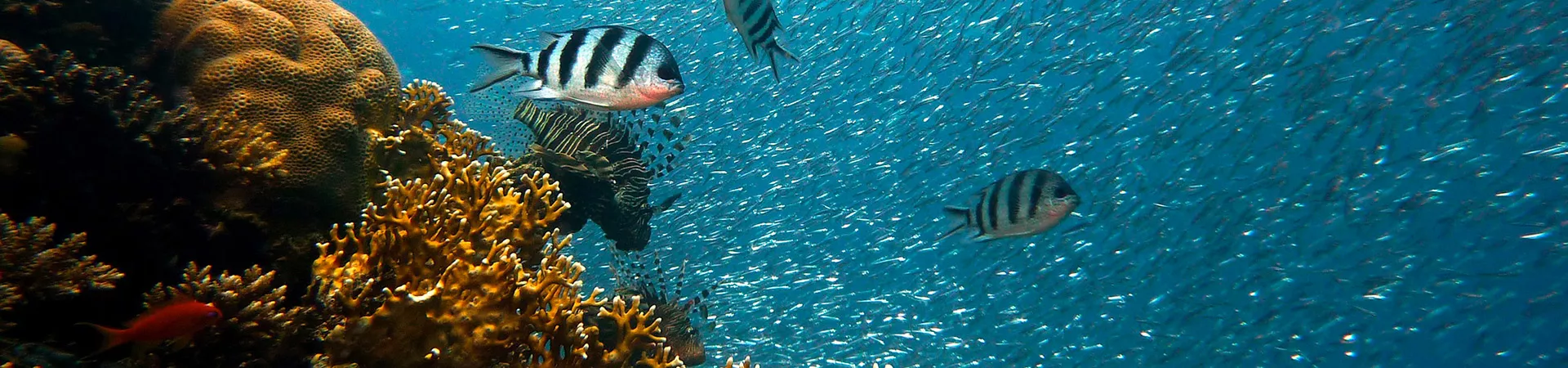
A dive at the seaside Corsica usually lasts between 15 and 20 minutes. However, it takes about 3 hours to complete the activity. Which will cost you less than 50 euros. Guided by passionate professionals, you can touch the seabed with your own hands. In addition, you will be privileged to immerse yourself in the sea to meet old reefs as well as fauna and flora underwater. You will also see several types of fish and animals that live in the sea. For a diving baptism, you will explore the bottom of the sea of the Costa Verde. If you want to expand your dive area, ask to visit the underwater world of the east coast. It is of great importance to book in advance the day you want to benefit from this activity in order to obtain the supervision of qualified staff.
It is possible to provide accommodation near the ocean so that you can make a dive at the seaside Corsica at any time of the day. Camping Merendella offers to take care of your place of residence throughout your stay in Corsica. It has comfortable and secure sites that are installed at the seaside. There are different dimensions of tents that adapt to the number of occupants. With these locations, it is no longer necessary to travel far to scuba dive and other water activities.
You do not tire of exploring every corner of the Costa Verde? And why not the seabed ?
Framed by passionate professionals, be enchanted by the silence of the seabed and share a memorable moment in the midst of a fauna and flora still preserved...
Duration of immersion : Between 15 and 20 minutes
Total duration of the activity : Between 2h30 and 3h
Level : All
Rate : 48€ / pers
Discover the underwater world of the east coast.
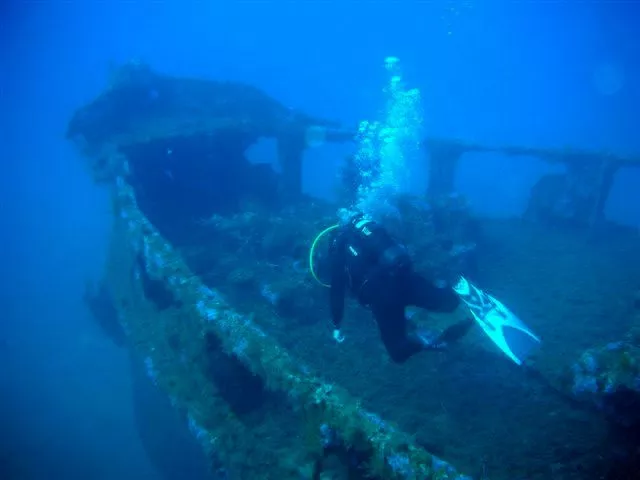
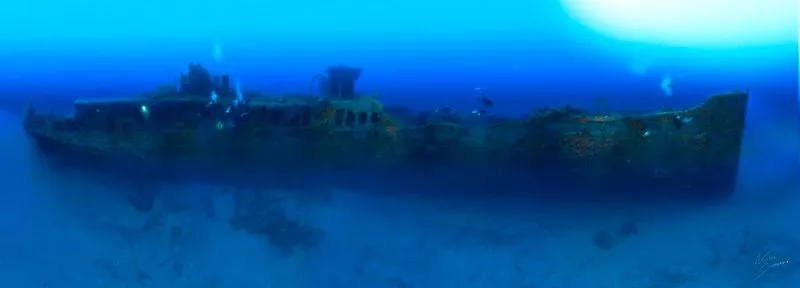
You can visit many wrecks that nature has assimilated, such as reefs and discover a variety of fauna and flora.
Level : All
Rate : 50€ / pers
Find all of the Diving activities on our partner's website https://www.walkingcorsica.com/
 FAQ : Everything you need to know about diving in Haute-Corse
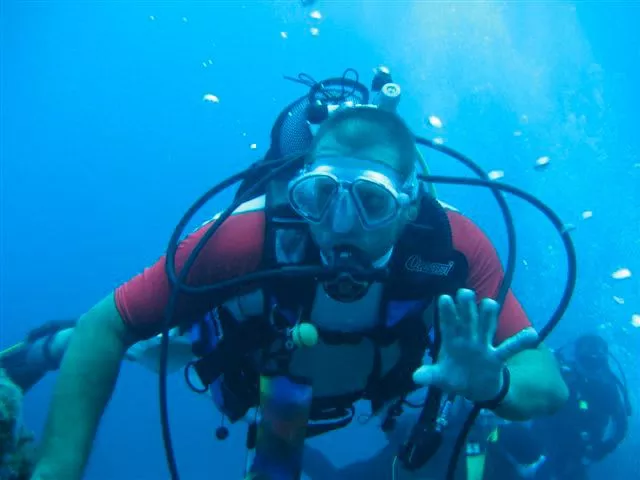
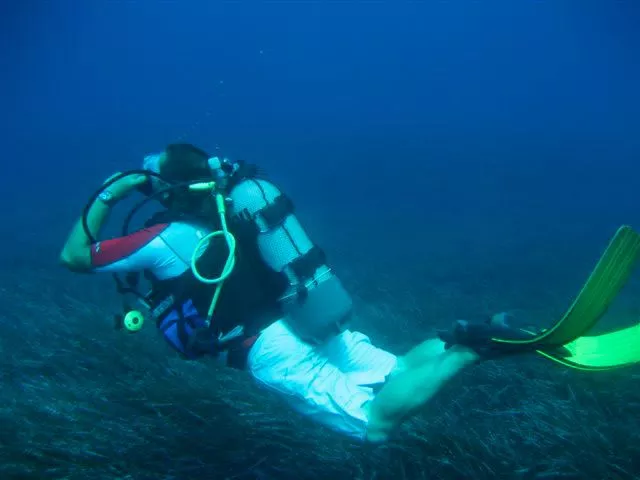
A discover scuba diving experience is the perfect way to take the plunge without any prior training and explore the underwater world. In Haute-Corse, it takes place in a shallow area (2 to 6 metres) to ensure maximum safety. It is your first time breathing underwater, and it is often magical!
Each participant is individually supervised by a qualified instructor, allowing them to focus entirely on observing the fish and experiencing weightlessness. No intensive physical preparation is required for discover dives, but it is advisable to be comfortable in the water. The dive centre welcomes you with all the necessary equipment: wetsuit, fins, mask and tank.
Before the dive, a short morning session of theoretical explanations will help you understand the basic communication signals. Many centres use fast RIBs to take you to wind-sheltered spots, guaranteeing a first outing in complete safety.
Calvi is world-renowned for its spectacular bay and its citadel overlooking the waves. Scuba diving in Calvi means treating yourself to a postcard-perfect setting above and below the surface. The Calvi diving area is particularly renowned for the richness of its ecosystems, protected by the proximity of the Natura 2000 zone.
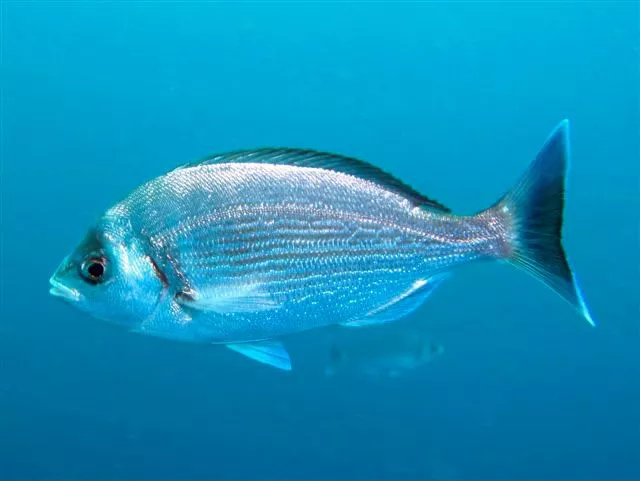
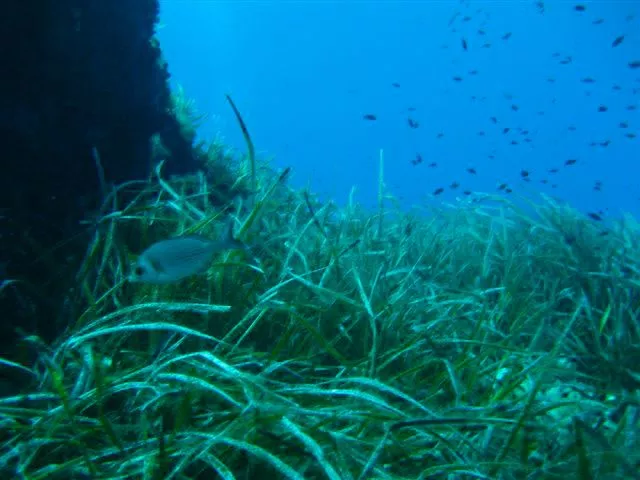
The dive sites offer rich diversity, from coral gardens to Posidonia meadows, which are home to numerous corbs and shoals of saddled seabream. A well-equipped dive centre, often present in Calvi, is able to welcome beginners as well as families. The area around the Revellata headland is a must-visit dive spot, benefiting from ideal natural protection against currents.
It is the ideal place for a quality discover dive, as fauna and flora are abundant from the very first metres. Booking your outing in advance is strongly recommended during summer, as the best dive sites in the city are very much in demand.
On the opposite side of the island, Bastia and Cap Corse offer a wilder and more authentic approach to scuba diving. The Cap's coastline is dotted with Genoese towers and coves inaccessible by land, discovered during a boat exploration. Less numerous than in the south, the dive sites offer total tranquillity, conducive to observing large Mediterranean predators such as dentex or barracuda.
The local dive club will often take you to areas where the drop-offs plunge steeply into the deep blue. Cap Corse is also famous for its visibility, allowing you to admire the Mediterranean flora fixed on the granite rocks.
Whether you depart from Bastia's old harbour or from a marina a little further north, every dive in the area promises an encounter with truly authentic nature. It is also the ideal place for night diving to observe crustaceans and cephalopods emerging from their hiding places.
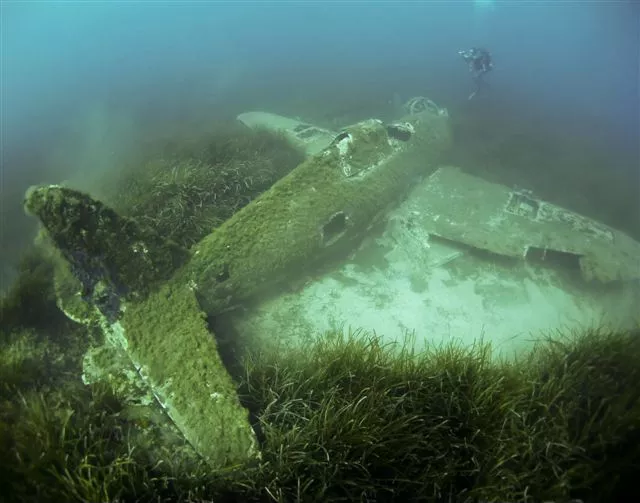
The B17 wreck in Calvi is undoubtedly one of the most famous dives in the Mediterranean. This "Flying Fortress", an American aircraft that came down during the Second World War, rests at 28 metres depth at the foot of the citadel. For a diver with PADI Advanced or FFESSM Level 2, exploring this wreck is a historical pilgrimage.
You can still make out the engines, cockpit and machine-gun turrets, now colonised by sponges and moray eels. Beyond the B17 wreck, Haute-Corse holds other historical treasures such as the wrecks of Roman merchant ships or fighter aircraft near Bastia.
The exploration of these wrecks requires technical expertise and meticulous air consumption management. These sites are usually only accessible to certified divers wishing to combine their passion for history with a demanding technical dive. This fascinating experience highlights the historical role of Corsica as a maritime crossroads of primary importance.
If you are not yet ready for the tank, snorkelling is a fantastic alternative. Simply equipped with fins, a mask and a snorkel, you can discover the coastal wildlife at the surface.
In Haute-Corse, the rocks along the beaches of the Balagne or Cap Corse teem with life: colourful wrasse, starfish and sometimes even small rays on sandy seabeds. Snorkelling is an activity accessible to all, ideal for families.
For those who want to go further, moving from snorkelling to a discover scuba dive is a natural progression. The sensation of being able to stay underwater for 40 minutes thanks to the regulator radically changes the perception of the environment.
Many centres offer sea excursions combining scuba diving and snorkelling (fins, mask, snorkel) on the same boat. This formula is an excellent compromise for groups of friends with varying levels of comfort, as it allows everyone to appreciate, at their own pace, the splendour of the Corsican seabed.
The Scandola Reserve, a UNESCO World Heritage Site, is the jewel of Haute-Corse. Although diving is prohibited in the heart of the integral reserve, the surrounding zones offer the best dive sites in the world.
The geological formations of red basalt create arches and underwater tunnels where light plays with the contours. You will regularly encounter the majestic grouper, which has become the symbol of successful marine protection in Corsica.
Another major site is the Revellata near Calvi. This underwater canyon offers magnificent dives where you can observe an impressive concentration of marine life. The dive sites are structured around rocky peaks that attract schools of chromis and white seabream.
Diving here is really something special! Between the incredible relief and the incredibly rich marine life, it is the place not to be missed if you are in the area. Unforgettable memories guaranteed!
The choice of dive club is key to the quality of your experience. A good dive centre must place emphasis on safety, comfort and respect for the environment. Check whether the instructor team is experienced and whether the equipment is up to date.
Many establishments are certified with eco-responsible labels, which demonstrates a commitment to the preservation of the seabed. The welcome must be friendly and the briefings clear, especially for discover dives.
An important criterion is logistics. Some centres offer fast RIBs that reduce travel time, while others have wider boats with a sun deck, ideal for relaxing between two dives.
Don't hesitate to consult reviews on Tripadvisor or other platforms to get an idea of the centre's reputation. Names like Merendella are often cited for their professionalism. A centre that offers guided diving in small groups is always preferable for personalised attention.
If the discover dive has won you over, the next step is to take your diving courses. In France, two systems coexist: the FFESSM (French Federation) and PADI (international organisation).
For a beginner, Level 1 (FFESSM) or the Open Water course (PADI) allows you to learn the fundamental techniques: buoyancy control, mask clearing and assistance. Once certified, you will be able to dive to 18 or 20 metres anywhere in the world.
Haute-Corse is an ideal learning environment thanks to its calm sea conditions and visibility. For divers who know their stuff, Level 2 is the key to 40 metres! It opens the door to exploring most of the major wrecks around Corsica. Dive centres organise intensive multi-day courses combining theory and, of course, plenty of practice.
Becoming a certified diver is an investment that will allow you to experience your dives with greater autonomy and discover increasingly fascinating underwater landscapes.
For experienced divers, night diving offers a completely different perspective. Equipped with powerful underwater torches, you will discover species that sleep during the day and nocturnal predators on the hunt.
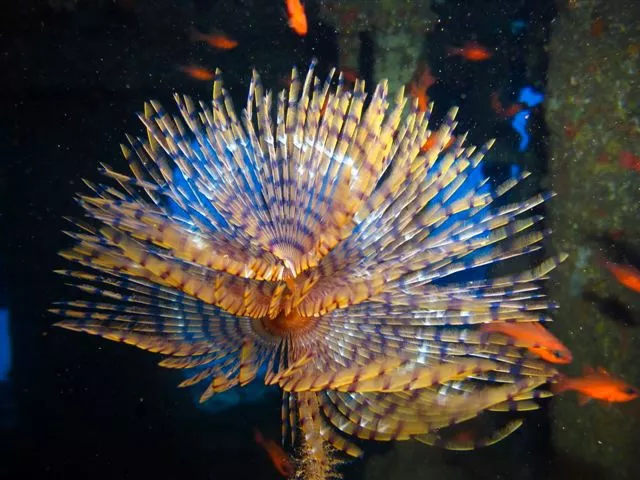
The colours of sponges and coral are far more vivid under artificial light than in daylight. It is a powerful sensory experience where concentration focuses on the beam of light, creating a mysterious and intimate atmosphere with the sea.
Another major technical advance is diving on Nitrox. This oxygen-enriched air mixture allows you to increase your no-decompression dive time and reduce fatigue after the dive. This is particularly advantageous for an intensive dive holiday where several outings are made each day.
Most modern dive centres in Haute-Corse now offer Nitrox training and have the appropriate compressors to supply this mixture to certified divers.
Safety must remain your absolute priority during your water activities. Before every outing, check the marine weather forecast; the westerly wind or libeccio can quickly build up a difficult sea in Corsica. Make sure you are well hydrated and do not dive if you are too tired. Observing safety stops and ascending slowly are the golden rules for avoiding any decompression-related incident.
Finally, be an eco-responsible diver. Do not touch any fauna and flora, do not collect any souvenirs and avoid any contact with corals or Posidonia meadows. The use of non-polluting mineral sunscreens is also strongly recommended to protect the Mediterranean ecosystem.
By following these practical tips, you will help preserve the island's exceptional natural heritage while enjoying magnificent dives in complete safety.
1. Discover dive: accessible to all from the age of 8, individual supervision guaranteed.
2. Key spots: the Revellata, Scandola (peripheral zones) and Cap Corse.
3. Wrecks: the mythical B17 in Calvi for Level 2 and above.
4. Training: possibility of obtaining FFESSM or PADI levels on site.
5. Equipment: everything is provided by the dive centre, just bring your swimsuit.
6. Season: optimal visibility from June to September, with water temperatures between 20°C and 26°C.
For a simple discover scuba dive, a medical certificate is generally not obligatory. An on-site health declaration is sufficient. However, for any certifying diving course (Level 1, PADI Open Water), a certificate of non-contraindication to scuba diving practice, issued by a general practitioner, is mandatory.
The legal minimum age for a discover dive in a centre is 8 years old. Dive centres offer suitable equipment (small tanks, specific buoyancy vests) so that younger children can try the activity in complete safety. For under 8s, snorkelling with a mask and snorkel remains the best option for a first introduction.
Haute-Corse benefits from exceptional visibility, often exceeding 30 metres. Surface water temperature ranges from 19°C in June to 26°C in August. At depth, it remains stable at around 18-20°C, allowing magnificent dives to be made in a simple 5mm wetsuit throughout the entire summer season.
No, the B17 wreck lies at 28 metres depth. It is therefore reserved for certified divers holding at minimum a Level 2 (FFESSM) or an Advanced Open Water qualification (PADI). Beginners will nevertheless be able to admire other equally spectacular dive sites, such as the rocky plateaus of the Revellata, rich in marine life from just 6 metres depth.
The morning is often preferred as the sea is generally calmer and the light is optimal for exploring the colours of the Mediterranean flora. Afternoon dives are equally enjoyable, however, and night diving offers unique sensations for observing nocturnal species such as octopuses or crayfish.
Not at all. Every dive centre has a complete fleet of regularly serviced equipment (wetsuits, regulators, BCDs). If you have your own mask or fins, you are of course welcome to bring them for extra comfort, but centres are equipped to provide all the necessary equipment to divers of all levels.


 © CAMPING CORSE MERENDELLA | 1976 / 2026 | Seo | Opale Corse | Campsites promotions | SiteMap